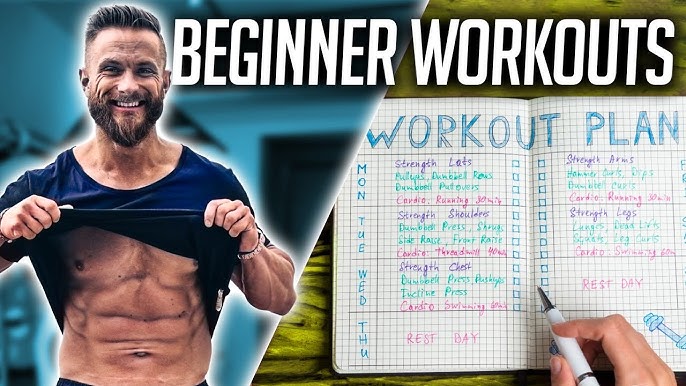
Starting fitness sounds simple until you actually try to do it.
One person says you need intense workouts six days a week. Another says cardio is useless. Social media is full of complicated routines, unrealistic transformations, and people acting like every workout must be extreme to matter.
That confusion stops many beginners before they even start.
Some people become overwhelmed by information. Others push themselves too hard immediately, burn out, and quit within weeks.
The truth is that fitness does not need to be complicated to be effective.
Most long-term progress comes from understanding a few basic principles and following them consistently.
This guide explains the core fitness basics beginners actually need to know, including workouts, strength training, cardio, recovery, motivation, and the common mistakes that slow progress down.
What Fitness Really Means
Many people think fitness only means:
- Losing weight
- Getting visible abs
- Building large muscles
But real fitness is broader than appearance.
Good fitness improves:
- Strength
- Endurance
- Mobility
- Energy levels
- Heart health
- Mental well-being
- Daily movement quality
A fit body is not just about looking athletic. It is also about functioning better physically and mentally.
Why Beginners Often Struggle With Fitness
Most beginners fail for predictable reasons.
Not because they are lazy.
Common Beginner Mistakes
| Mistake | What Happens |
|---|---|
| Starting too aggressively | Burnout and soreness |
| Following unrealistic routines | Inconsistency |
| Expecting fast results | Frustration |
| Ignoring recovery | Fatigue and injury |
| Comparing themselves online | Discouragement |
Social media has made fitness look far more extreme than it usually needs to be.
Most sustainable progress comes from simple routines repeated consistently.
The Three Main Parts of Fitness
A balanced fitness routine usually includes:
- Strength training
- Cardiovascular exercise
- Mobility and recovery
Ignoring one area often creates imbalances over time.
Strength Training Basics
Strength training helps improve:
- Muscle strength
- Bone health
- Posture
- Metabolism
- Physical resilience
Many beginners avoid strength training because they assume it is only for bodybuilders.
That is not true at all.
Basic resistance training benefits nearly everyone.
Common Strength Training Methods
Bodyweight Exercises
Good for beginners because they require little equipment.
Examples:
- Push-ups
- Squats
- Lunges
- Planks
Free Weights
Examples include:
- Dumbbells
- Barbells
- Kettlebells
These help develop strength and coordination.
Machines
Gym machines are beginner-friendly because they guide movement patterns more safely.
Beginner Strength Training Tips
Focus on Form First
Poor form increases injury risk and reduces exercise effectiveness.
Beginners should prioritize learning movement quality before lifting heavy weights.
Start Lighter Than You Think
Many people try lifting too heavy immediately.
This often causes:
- Bad technique
- Excess soreness
- Injury risk
Controlled progression works much better.
Train Consistently
Two or three quality workouts weekly are far more effective than random intense workouts followed by long breaks.
Understanding Cardio
Cardio improves:
- Heart health
- Endurance
- Stamina
- Recovery ability
Cardio is not punishment for eating.
It is an important part of overall fitness.
Beginner-Friendly Cardio Options
| Activity | Beginner Difficulty |
|---|---|
| Walking | Very easy |
| Cycling | Easy |
| Swimming | Moderate |
| Jogging | Moderate |
| Rowing | Moderate |
Walking is one of the most underrated forms of exercise.
Many people overlook it because it feels too simple, but consistent walking has major health benefits.
Cardio Myths That Confuse Beginners
“Cardio Kills Muscle”
Excessive cardio without recovery can affect muscle growth, but moderate cardio is beneficial for most people.
“Sweating Means Better Fat Loss”
Sweat mostly reflects body temperature regulation, not fat burning quality.
“You Must Do Intense HIIT Workouts”
High-intensity interval training can be effective, but beginners do not need brutal workouts to get healthier.
Why Recovery Matters So Much
Many beginners believe more exercise always means faster results.
But the body improves during recovery, not only during workouts.
Without enough recovery:
- Performance declines
- Motivation drops
- Injury risk increases
- Sleep quality worsens
Recovery is part of training, not a break from it.
Signs You May Need More Recovery
- Constant soreness
- Poor sleep
- Fatigue
- Irritability
- Declining workout performance
Beginners often underestimate how tiring new exercise can be initially.
Sleep Is Part of Fitness
Poor sleep affects:
- Recovery
- Hormones
- Energy
- Muscle repair
- Motivation
People sometimes train hard while sleeping very little and then wonder why progress feels slow.
The body needs recovery resources to adapt properly.
Nutrition Basics for Fitness
Exercise and nutrition work together.
You do not need an extreme diet to improve fitness, but nutrition still matters.
Simple Nutrition Principles
Eat Enough Protein
Protein supports:
- Muscle recovery
- Strength development
- Fullness
Good sources include:
- Eggs
- Chicken
- Fish
- Greek yogurt
- Beans
Stay Hydrated
Even mild dehydration can reduce workout performance and energy.
Avoid Extreme Restriction
Overly restrictive diets often reduce energy and make workouts harder to sustain.
How Often Should Beginners Work Out?
Many beginners think they need daily intense workouts.
That is usually unnecessary.
Realistic Beginner Schedule
| Goal | Suggested Frequency |
|---|---|
| General health | 3–4 days weekly |
| Weight loss support | 3–5 days weekly |
| Strength improvement | 2–4 strength sessions |
| Better endurance | 2–4 cardio sessions |
Consistency matters more than perfection.
Gym Anxiety Is Extremely Common
Many beginners feel intimidated at gyms.
Common fears include:
- Looking inexperienced
- Using equipment incorrectly
- Feeling judged
The reality is that most gym-goers are focused on themselves rather than watching others.
Everyone starts somewhere.
Ways to Feel More Comfortable at the Gym
- Go during quieter hours
- Plan workouts ahead of time
- Learn a few exercises first
- Start with simple equipment
Confidence usually improves through repetition.
Home Workouts Can Absolutely Work
You do not need an expensive gym membership to improve fitness.
Home workouts can build:
- Strength
- Endurance
- Mobility
especially for beginners.
Useful Home Equipment
- Resistance bands
- Dumbbells
- Yoga mat
- Pull-up bar
Even bodyweight exercises alone can be effective initially.
The Truth About Motivation
Motivation changes constantly.
People often wait until they “feel motivated” to exercise consistently.
But fitness progress usually comes from routine more than motivation.
Some workouts feel great. Others feel difficult.
Consistency matters anyway.
Why Progress Sometimes Feels Slow
The body adapts gradually.
Beginners often expect visible results within days.
Real progress usually happens through small improvements over time:
- Better stamina
- Increased strength
- Improved recovery
- Better mood
- Higher energy
Visible body changes often happen more slowly than performance improvements.
Common Fitness Mistakes Beginners Make
Doing Too Much Too Soon
Starting with extreme routines often causes burnout.
Ignoring Warm-Ups
Warm-ups help prepare muscles and joints for movement.
Comparing Progress Online
Social media rarely shows realistic timelines.
Many online transformations involve ideal lighting, editing, or unrealistic expectations.
Focusing Only on Appearance
Fitness improvements involve far more than visible changes.
Energy, strength, mobility, and mental well-being matter too.
Supplements Are Not Magic
Beginners often assume supplements are essential immediately.
Most progress actually comes from:
- Consistent training
- Nutrition
- Recovery
- Sleep
Supplements cannot replace weak habits.
Basic Supplements Sometimes Used
| Supplement | Purpose |
|---|---|
| Protein powder | Convenience |
| Creatine | Strength support |
| Electrolytes | Hydration support |
Even these are optional for most beginners.
Fitness Is Not One-Size-Fits-All
Different people enjoy different types of exercise.
Some prefer:
- Weightlifting
- Walking
- Sports
- Swimming
- Cycling
- Yoga
The best fitness routine is usually one you can maintain consistently.
Long-Term Fitness Is Usually Less Extreme Than People Expect
Sustainable fitness often looks fairly simple:
- Moderate exercise
- Consistent movement
- Reasonable nutrition
- Adequate recovery
The basics work extremely well when repeated over time.
FAQ Section
How should beginners start exercising?
Start with simple, manageable workouts focused on consistency rather than intensity.
Is walking enough exercise?
Walking provides major health benefits and is an excellent starting point for many beginners.
How many days a week should I work out?
Most beginners do well with 3–4 workout days weekly plus regular daily movement.
Do I need a gym membership to get fit?
No. Home workouts and bodyweight exercises can be very effective.
How long does it take to see fitness results?
Some energy and stamina improvements may appear within weeks, while visible body changes usually take longer.
Is soreness necessary for progress?
No. Mild soreness can happen, especially for beginners, but extreme soreness is not required for effective workouts.
Conclusion
Fitness becomes much less overwhelming when you stop chasing perfection and focus on fundamentals.
Most long-term results come from consistently improving a few key areas:
- Strength
- Cardio
- Recovery
- Nutrition
- Sleep
- Daily movement
The important thing is understanding that effective fitness does not need to be extreme.
You do not need punishing workouts, impossible diets, or nonstop motivation to improve your health and strength.
You simply need realistic habits that you can continue long enough for progress to build naturally over time.